Candidate for Director, 2026 - 2028
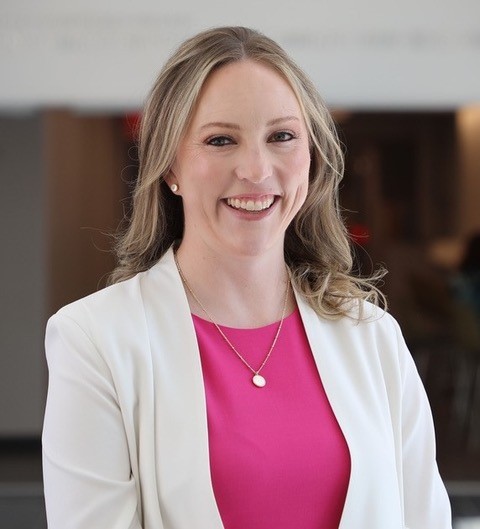
Jennifer Ross Majumdar, PhD, MSN, CRNA Fast Facts About Jenni
Jennifer Ross Majumdar, PhD, MSN, CRNA earned her BSN from Washington State University, her MSN in Nurse Anesthesia from Boston College's Connell School of Nursing, and her PhD in Nursing from The Catholic University of America. She began her career as an ED and ICU nurse at Providence Holy Family Hospital in Spokane, WA, and has practiced as a CRNA at Memorial Sloan Kettering Cancer Center since 2015, where she now serves as a Nurse Scientist. Her research focuses on perioperative symptom science, caregiver distress during ambulatory oncology surgery, and wellness and safety among nurse anesthesia providers and students. She is Assistant Professor and Assistant Specialty Director of the Nurse Anesthesia DNP Program at Hunter-Bellevue School of Nursing (CUNY), Editor-in-Chief of the Journal of Nurse Anesthesia Education, and serves on the AANA Educator Podcast Steering and Membership Committees. Within NYSANA, she chairs the Educational Program and Nominating Committees. What are the biggest challenges currently facing the profession?One of the most pressing challenges is expanding the CRNA role beyond direct anesthesia delivery. We are exceptional clinicians, but the profession's long-term strength depends on members who also lead in education, research, policy, and administration. Too often those pathways feel like side doors rather than core parts of a CRNA career, and we lose talented people to burnout or to other fields because they don't see a way to grow without leaving the OR entirely. NYSANA has a real opportunity here — to make leadership, scholarship, and advocacy visible, accessible, and genuinely valued parts of what it means to be a CRNA in New York. What experiences, ideas, connections, or resources do you bring that would help address these challenges?My work sits at the intersection of three roles — clinician, educator, and researcher — and I've loved building connections across networks that don't always overlap. Nationally, I serve as Editor-in-Chief of the Journal of Nurse Anesthesia Education, as an inaugural member of the AANA Educator Podcast Steering Committee and AANA Membership Committee. As a Nurse Scientist at MSK, I conduct my own research but also encourage and support nurses interested in research. Within NYSANA, I currently chair both the Educational Program and Nominating Committees, which means I already have the experience at NYSANA to understand how to get things done. What is one skill or strength you possess that sets you apart from your peers?I love bringing people together and getting people involved. Chairing the Educational Program Committee and planning our annual meetings has been one of the most rewarding parts of my NYSANA work so far — pulling together speakers, topics, and members from across the state, and watching people connect over shared clinical and educational interests, is something I genuinely look forward to every year. I get energy from bringing people together and building programming that actually reflects what our members want and need. That's what I'd bring to any NYSANA role: a real enthusiasm for creating spaces where members engage, contribute, and see themselves as part of where the organization is going. What do you love about being a CRNA? What drew you to the profession?I love the chance to take care of someone on one of the scariest days of their life. Patients arrive anxious, often more vulnerable than they are anywhere else, and we get to be the calm, knowledgeable presence that walks them through it. I also love the art of anesthesia — figuring out how each patient will respond to each medication, anticipating what their physiology will do, and making sure they wake up safe and comfortable after surgery. It's a role that asks for clinical precision and genuine human presence at the same time, and that combination is what drew me in and what keeps me here. Please share at least one idea you believe would better engage or involve members in advancing NYSANA's mission.I'd love to build out networks within NYSANA that connect members around shared interests — whether that's a type of surgery, a practice setting, a research question, or an educational challenge. These could be light-touch groups that meet a few times a year, share resources, and surface topics for NYSANA programming, publications, or advocacy. Members engage more deeply when they find their people, and small communities of interest give the organization a natural pipeline for ideas, mentorship, and collaboration from the ground up. It's also a great way to draw in members who might not run for a committee or board seat yet but have real expertise and energy to contribute. |
Our Sponsors