Candidate for Director, 2026 - 2028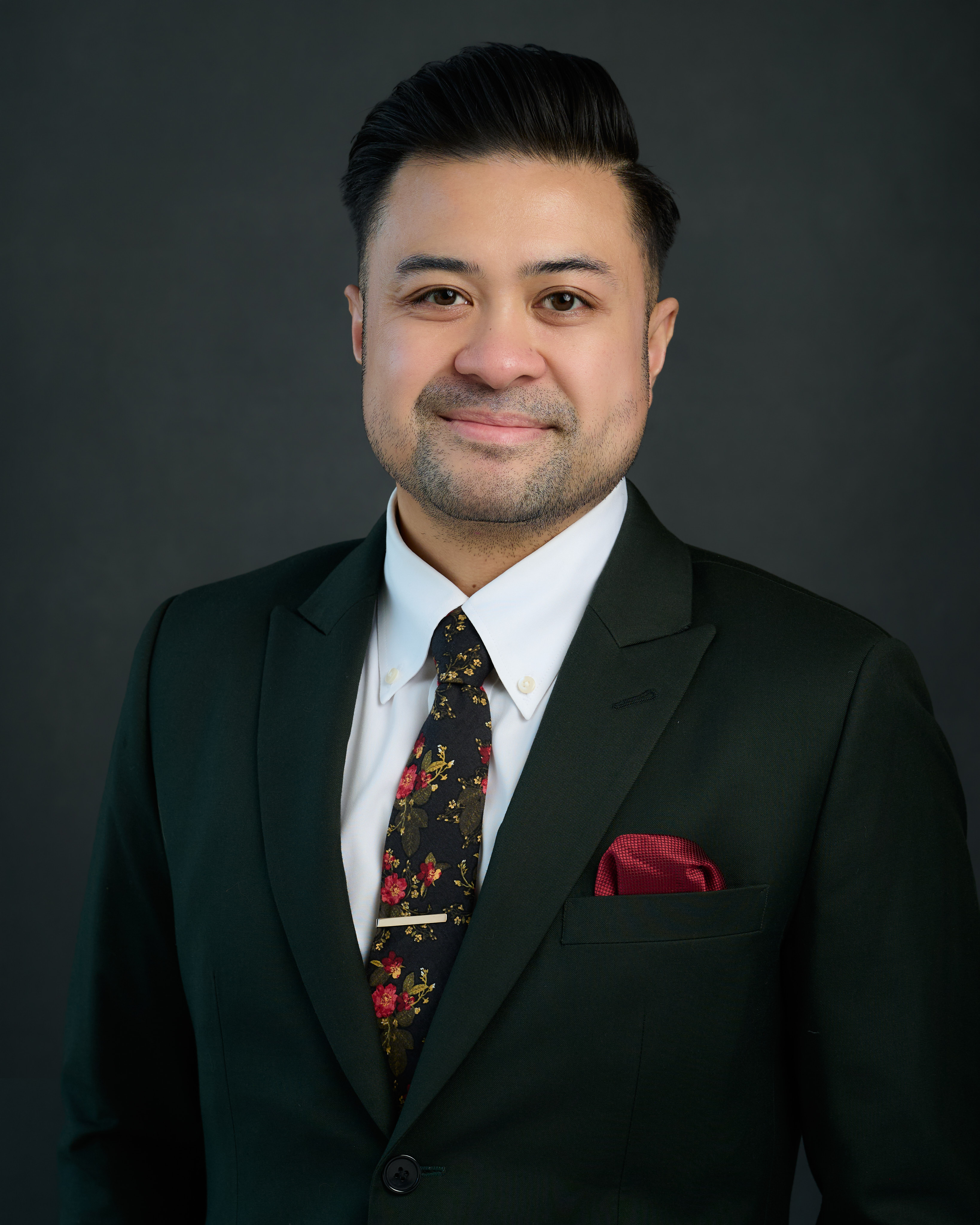 Christian Cansino DNP, CRNA, FNP, ACNP Christian Cansino DNP, CRNA, FNP, ACNP Fast Facts About Christian
Christian Cansino, DNP, CRNA, FNP, ACNP is a practicing nurse anesthetist, Assistant Professor of Nursing at Columbia University, and healthcare entrepreneur based in New York City. He provides anesthesia care across multiple hospital systems while teaching nurse anesthesia students in pharmacology and crisis resource management. His work focuses on advancing education through innovation, including the development of AI-driven learning tools and simulation-based training. In addition to his clinical and academic roles, he is currently pursuing an MBA at Columbia Business School with a focus on healthcare strategy and artificial intelligence, and is the co-founder of a health technology company aimed at improving inefficiencies in healthcare education. What are the biggest challenges facing the profession?The biggest challenges facing the nurse anesthesia profession today are increasingly tied to policy, workforce sustainability and professional recognition. At the federal level, recent legislation has removed nursing from the “professional degree” designation for student loans, significantly lowering borrowing caps and eliminating programs like Grad PLUS starting in 2026. This creates a major barrier for CRNAs, whose doctoral training is costly, and is expected to reduce enrollment and worsen workforce shortages at a time when demand for advanced practice providers is rising. At the same time, New York continues to lag in scope of practice modernization compared to other states, limiting CRNA autonomy and efficiency in care delivery. When combined with increasing patient acuity, reimbursement pressures, and faculty shortages, these issues highlight a larger challenge. The profession is not just navigating clinical complexity, but actively fighting to protect its pipeline, autonomy, and recognition as an essential part of the healthcare system. What experiences, ideas, connection or resources do you have that would allow you to help with those challenges?I bring a combination of clinical experience, academic leadership and direct involvement in innovation that aligns with the exact challenges the profession is facing right now. As a practicing CRNA and faculty member, I am actively training the next generation of providers, which gives me firsthand insight into how rising educational costs and federal loan changes are already impacting students and the future workforce. At the same time, my work in developing AI-driven educational tools and analytics platforms positions me to help address workforce shortages by improving training efficiency and competency development. I also bring a strong understanding of policy and advocacy through my involvement in academic leadership and professional initiatives, which is critical given that New York still does not formally recognize CRNAs in statute and is actively working through multiple legislative bills to define scope of practice and certification . Beyond that, my connections across academia, clinical practice, and emerging health technology allow me to bridge gaps between education, policy and practice. I am not just aware of the challenges. I am already building solutions, whether that is strengthening the pipeline, modernizing training, or contributing to the broader advocacy efforts needed to move the profession forward in New York. Name one skill or strength you possess that is unmatched by your colleagues or peersOne strength that sets me apart is my ability to think and operate at both the clinical and business level, which comes directly from my MBA education at Columbia University. Through that experience, I have developed a strong foundation in healthcare systems, finance, and strategy, which allows me to approach challenges like reimbursement pressure, workforce shortages, and policy changes with a solutions-oriented mindset rather than just a clinical lens. This is especially important right now as the profession navigates issues like federal loan caps and legislative efforts in New York to formally define CRNA scope of practice, both of which require strong advocacy and strategic positioning to move forward . At the same time, I am actively applying this skill set through building a healthcare technology company, managing my own anesthesia business, and contributing to academic leadership, which reflects my ability to execute on ideas, not just generate them . That combination of clinical expertise, business acumen, and execution is what allows me to bring a different perspective to leadership and help move the profession forward in a meaningful and practical way. What do you love about being a CRNA? What drew you to the profession?What I love about being a CRNA is that it sits at the intersection of precision, ownership, and real impact, and that aligns closely with how I think and work. I have always been drawn to environments where the margin for error is small and the expectation is high, and anesthesia is exactly that. You walk into a room, take full responsibility for a patient at their most vulnerable moment, and every decision you make has immediate consequences. That level of accountability is not something I take lightly, it is actually what motivates me. I enjoy being in a role where preparation, physiology, and decision making all come together in real time, and where you are constantly challenged to be better. What drew me to the profession was not just the clinical side, but the ability to build something bigger around it. Early on, I realized that anesthesia was one of the fields where you could combine clinical excellence with leadership, education, and even business. It is a profession that rewards discipline, adaptability, and independence, but also gives you the platform to expand beyond the OR and shape the future of healthcare in a meaningful way. Please provide at least one idea you believe will engage or involve members to advance NYSANA’s mission.One idea I believe would significantly improve member engagement is creating a more structured, longitudinal “member activation pathway” that connects education, advocacy, and real involvement in a way that feels continuous rather than episodic. Right now, NYSANA offers strong touchpoints like state meetings, district events, research symposiums, and advocacy days, but these are often isolated experiences rather than part of a clear progression for members . I would propose developing a system where members can choose a track early on, such as advocacy, education, or leadership, and then be guided through a series of small, actionable steps over the year. For example, a member interested in advocacy could move from attending a legislative briefing, to participating in a committee, to engaging in PAC efforts, and ultimately to meeting with legislators alongside NYSANA leadership. This builds on the strong committee infrastructure and volunteer opportunities already in place, but makes the process more intentional and easier to enter . The goal is to shift engagement from passive attendance to active ownership, where members feel like they are contributing to something meaningful and can clearly see their role in advancing the profession in New York. |
Our Sponsors